SECONDARY PROCESS
SUPPORT.
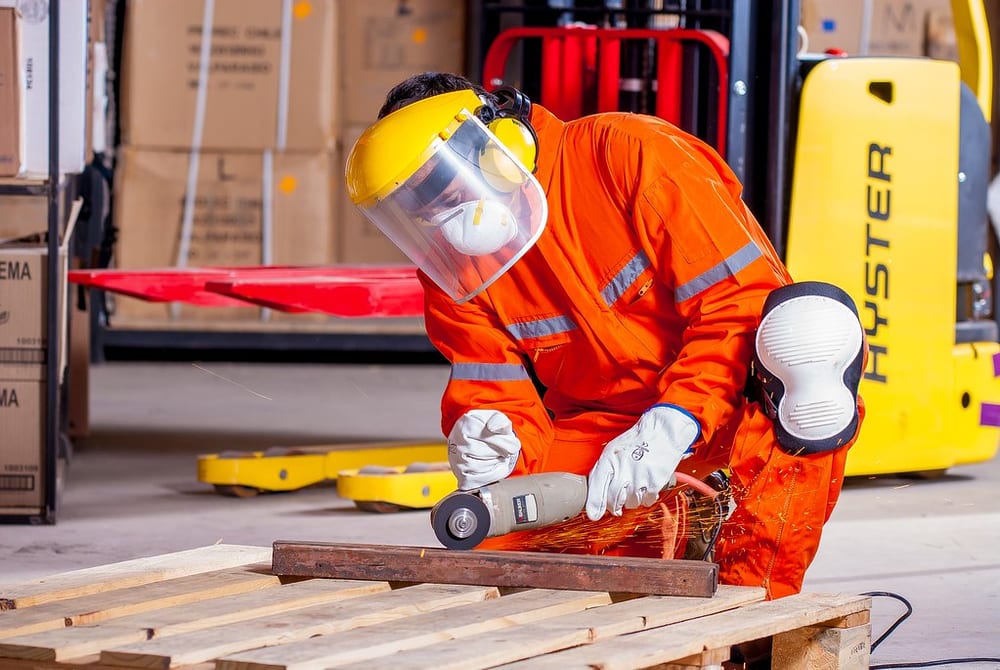
PLI runs the finishing operations that sit between a formed or machined part and a shippable one: deburring, parts washing and degreasing, passivation, shot blasting, grinding and polishing, coating coordination, and the movement of parts between each of them. A job that needs three of those runs on one routing, through one point of contact, on one set of paperwork.
Secondary Processes
THE STEPS BETWEEN MACHINED
AND SHIPPABLE.
A part leaves a press or a spindle with burrs on it, oil and swarf on it, and scale or weld discolouration where heat reached it. Stainless has to be passivated. A cosmetic surface has to be brought up before anything is coated. Each of those is a separate operation, and each one usually sits at a separate vendor with its own lead time, minimum quantity and paperwork.
PLI takes that sequence as one job. The work runs at a PLI facility, on your floor, or at the processor already holding the parts, and PLI carries the routing between steps, the handling in between, and the record that follows the lot.
What PLI Runs
SEVEN OPERATIONS,
ONE ROUTING.
Deburring
Edge break and burr removal on stamped, machined, cast and formed parts.
Parts washing and degreasing
Oil, coolant, swarf and shop soil off the part before the next operation or before pack.
Passivation
Free iron removed from stainless steel so the passive layer reforms across the surface.
Shot blasting
Scale, rust, weld discolouration and old coating taken back to a uniform surface.
Grinding and polishing
Surface brought to a stated finish, whether the requirement is cosmetic or functional.
Coating coordination
Plating, paint and powder coat scheduled and routed through the processor that performs it.
Logistics and redistribution
Parts moved between steps, between sites, and back into your production flow.
Where The Work Runs
THREE PLACES THE
WORK CAN HAPPEN.
At your plant
A PLI crew works the step on your floor, in the space you have, on your shift pattern.
At a PLI facility
Parts ship to PLI, run through the sequence, and ship back staged the way your line takes them.
At the processor holding the job
Where a step belongs with a specialist, PLI schedules it there and carries the part through.
THE LEAD TIME IS
IN THE HANDOFFS.
Four operations at four vendors means four queues, four minimum quantities, four transport legs and four sets of paperwork. Most of the calendar a finishing sequence consumes is spent between the operations rather than inside them.
Running the sequence on one routing collapses that. PLI schedules the steps in order, moves the parts between them, and holds one date for the finished lot.
What Travels With The Job
THE PART MOVES.
SO DOES THE RECORD.
Routing between steps
The order the operations run in, and the date each one has to clear.
Handling and packaging
Dunnage, containers and surface protection appropriate to each stage.
Lot identification
Lot and part identity kept intact across every operation and every site.
Counts and disposition
Quantities in, quantities out, and what happened to anything that came out different.
One point of contact
One PLI contact across the whole sequence, whoever performs each step.
ISO 9001:2015
The quality system covering PLI inspection and rework work covers this work too.
When Manufacturers Call
THE SITUATIONS THIS
USUALLY STARTS IN.
- A finisher's lead time has pushed a shipment date.
- Parts arrived from a supplier needing cleaning or rework before they can run.
- A launch adds a finishing operation to a routing that was already set.
- Coating has to be scheduled around a fixed production date.
- Several small finishing steps are spread across several vendors.
- A recovered or returned lot needs cleaning and re-finishing before it goes back out.
FINISHED, THEN PUT
BACK IN FLOW.
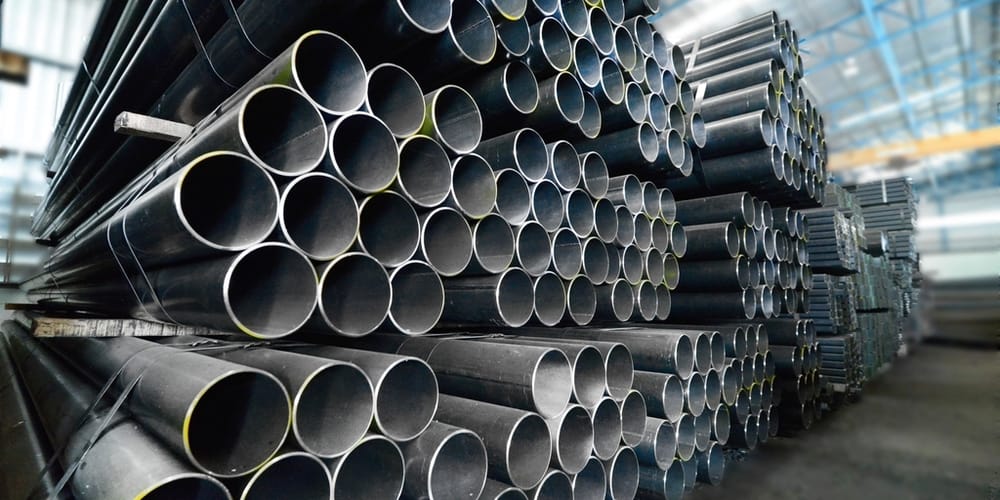
The last step of a finishing sequence is getting the parts back where they are needed, in the container and the quantity the receiving line expects. PLI stages, packs and redistributes the finished lot as part of the same job.
Where a lot splits, the identification stays with each portion, so what arrives at each destination is traceable to the operation it came through.
Standards
WHAT PLI BRINGS
TO A FINISHING JOB.
Common Questions
SECONDARY PROCESS
QUESTIONS.
Does PLI perform these processes or coordinate them?
Both, depending on the step. Deburring, parts washing and degreasing, passivation, shot blasting, and grinding and polishing run as PLI-managed operations. Coating is coordinated with the processor that performs it. In either case the routing, the handling between steps and the documentation stay with PLI.
Can PLI take a single step, or does the whole sequence have to go through PLI?
A single step is a normal job. The reason manufacturers hand over several at once is that the handoffs between vendors are where lots sit, and one routing removes them.
What does PLI need in order to quote?
The part, the material, the quantity, the finish or specification the step has to meet, and the date the parts are needed. Drawings and existing work instructions help. The quote comes back with the process, the location it will run in, the lead time and the price.
Can secondary processing run alongside sorting or rework?
Yes, and it commonly does. A suspect lot is sorted, the recoverable parts are reworked, and the parts that need it are washed, deburred or re-finished before they go back out. That runs as one job on one set of paperwork.
SEND THE PART, THE VOLUME
AND THE FINISH SPEC.
PLI responds with the process, the location it runs in, the lead time and the price. Lines are answered 24 hours a day, 7 days a week.